Reclaim Usable Land Hidden Under Overgrowth
Underbrush Clearing & Acreage Beautification in Odessa for properties with reduced visibility and tangled vegetation
Thick briars, vines, and low brush limit how you use your property, blocking trails, hiding fences, and making it difficult to assess ground conditions or spot wildlife. XD Land Management handles underbrush clearing and acreage beautification in Odessa, removing unwanted vegetation while keeping healthy mature trees intact. This approach opens sight lines, improves access for livestock or recreational use, and raises property value by transforming overgrown parcels into functional, attractive acreage where you can actually see what you own.
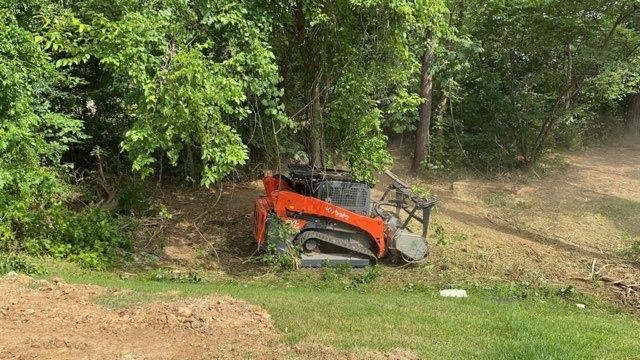
Selective underbrush clearing targets specific problem vegetation without stripping the land completely bare, which differs from full land clearing that removes everything down to soil level. Equipment removes small brush, thorny growth, and vine masses while leaving established trees that provide shade and erosion control. The work creates cleaner walking trails, better grazing distribution, and improved hunting visibility without the stark appearance or soil exposure that follows aggressive clearing.
Request a customized clearing plan to identify which vegetation should be removed and which features are worth preserving on your property.
Why Selective Clearing Works for Mixed-Use Land
Selective work involves evaluating the property and marking trees or natural features to protect before equipment begins processing surrounding brush. Operators navigate around designated trees, clearing everything else within the work area, which results in an open understory beneath a canopy of preserved mature growth. This method suits properties where shade, windbreaks, or specific landscape features contribute to long-term land value or daily usability.
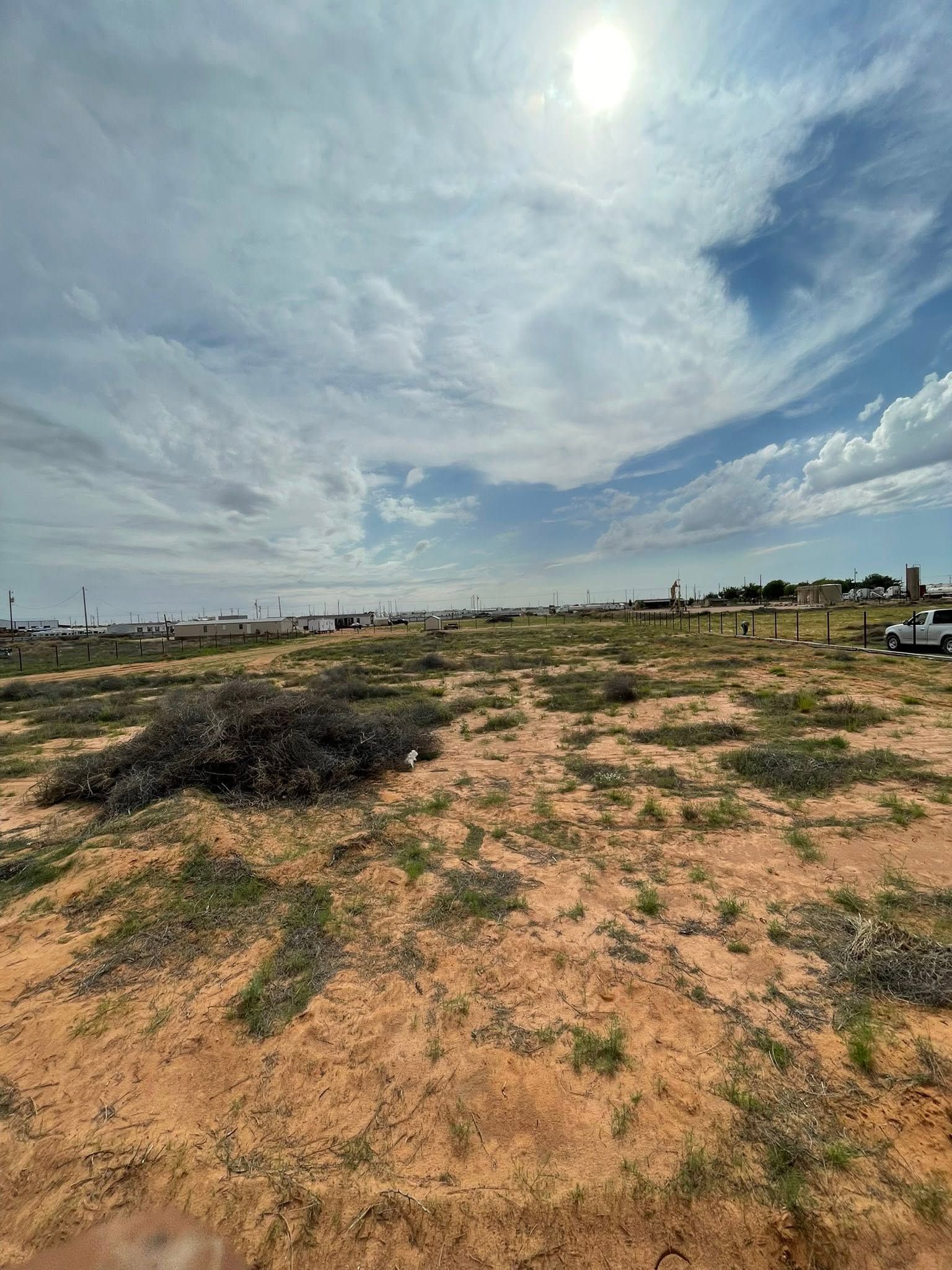
After clearing completes, you notice immediate improvements in how far you can see across the property, how easily you move through previously tangled areas, and how much more attractive the land appears from access roads or boundary lines. Grasses and low ground cover establish more readily in cleared areas, livestock distribute more evenly without dense thickets forcing them into narrow corridors, and recreational users access more of the property without machete work or constant detours.
Clearing does not prevent all regrowth, especially in areas with high seed dispersal or aggressive root systems like mesquite. Follow-up maintenance may be needed after a few growing seasons depending on rainfall and how the land is used. The initial clearing removes years of accumulated growth, but property owners should plan for periodic touch-up work to maintain the improved appearance and accessibility.
What Property Owners Usually Ask
Landowners across West Texas often want to know how selective clearing differs from other methods and what the results look like.
What is the difference between underbrush clearing and forestry mulching?
Underbrush clearing focuses on removing smaller vegetation and ground-level growth while preserving larger trees, whereas forestry mulching processes all vegetation in an area into a mulch layer, including some trees depending on size.
How do you decide which trees to keep during selective clearing?
Property owners typically walk the site with the operator before work begins, marking trees based on size, health, location, and future land use plans, ensuring valuable shade or windbreak trees remain standing.
When does cleared land start looking more established after brush removal?
Grasses and low ground cover begin filling in within a few months if rainfall supports growth, though the timeline varies significantly depending on soil conditions and seed availability in Odessa's arid climate.
How does clearing improve property value beyond appearance?
Buyers assess usable acreage more easily when they can see the land, walk the boundaries, and evaluate features like drainage patterns, fencing, and natural resources that stay hidden under thick brush.
What type of equipment is used for underbrush clearing?
Depending on vegetation density and property access, operators use skid steers with brush-cutting attachments, tracked mulchers, or excavators with grapples to remove and process unwanted growth efficiently.
XD Land Management tailors the clearing approach to match your property's current condition and intended use, whether that involves improving grazing land, preparing recreational trails, or simply making the acreage more presentable. Arrange a property walkthrough to discuss which areas need attention and what level of clearing makes sense for your goals.