
Maintain Access Corridors Within Approved Boundaries
Right-of-Way & Pipeline Clearing in Odessa for utility corridors and easements requiring vegetation management
Vegetation encroaching into utility corridors, pipeline easements, and access roads reduces inspection capability and creates operational hazards for maintenance crews. Right-of-way and pipeline clearing in Odessa addresses overgrowth along designated corridors without disturbing adjacent property or exceeding approved boundaries. XD Land Management works from site plans and easement maps to remove brush, trees, and obstacles within the specified clearing limits, maintaining safe equipment operation zones while minimizing environmental disturbance beyond the work area.
The work involves operating clearing equipment along linear corridors where width limits, slope conditions, and proximity to active infrastructure require careful navigation. Operators follow marked boundaries, process vegetation within the corridor, and avoid disturbing soil or features outside the designated clearing zone. The service supports municipalities managing utility easements, energy companies maintaining pipeline access, contractors preparing for installation projects, and developers establishing access roads through undeveloped tracts.
Request project planning assistance to coordinate clearing schedules, access logistics, and site-specific requirements for your corridor work.
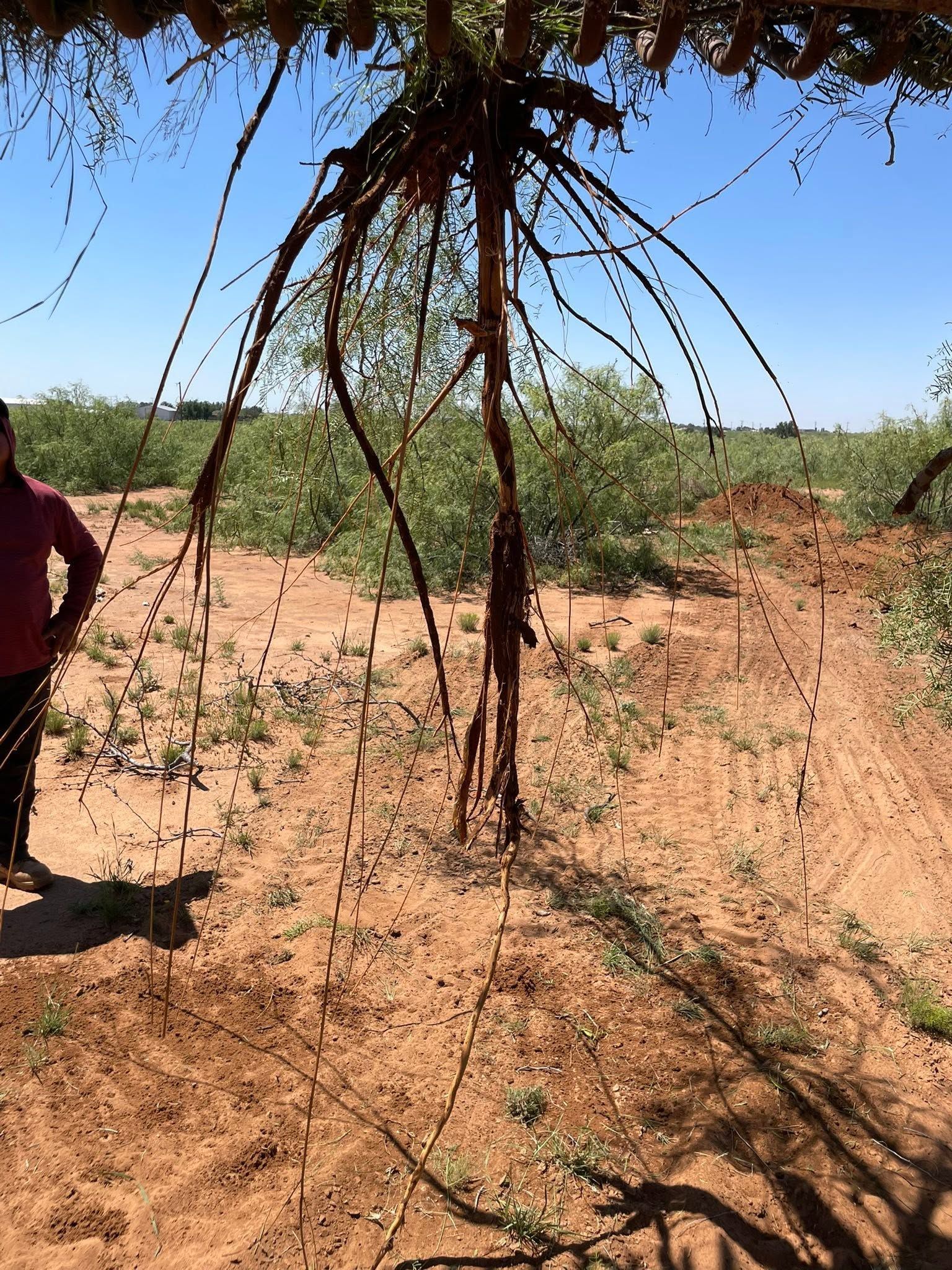
How ROW Clearing Addresses Access and Compliance
Corridor clearing begins with reviewing site plans that define clearing width, protected features, and any restrictions related to drainage structures or existing utilities. Equipment works within those boundaries, removing vegetation that blocks vehicle access, hinders visual inspection, or creates fire hazards near infrastructure. In the Permian Basin, where pipeline networks and service roads cross extensive private and public land, maintaining clear corridors ensures crews can reach sites quickly during routine maintenance or emergency response.
After clearing completes, the corridor shows consistent width from end to end, free of obstructions that would prevent vehicle passage or equipment staging. Inspection crews drive the length without navigating around brush piles or low-hanging branches, and maintenance work proceeds without clearing vegetation before every visit. The cleared corridor remains visible from aerial or ground surveys, which helps property owners, utility operators, and regulatory agencies confirm easement boundaries and monitor vegetation regrowth over time.
ROW clearing does not include grading, surfacing, or drainage work unless specifically contracted, though it often occurs before those activities begin. The service focuses on vegetation removal and minor debris handling, leaving a clear corridor ready for further development or simply maintained as an open access route. Project scheduling accounts for weather conditions, equipment mobilization distance, and coordination with other contractors when clearing supports larger construction timelines.
Questions Before Starting Your Project
Commercial clients and contractors often ask about project coordination and site-specific requirements before corridor work begins.
What documentation is needed before starting ROW clearing?
Site plans showing easement boundaries, clearing width specifications, and any environmental or cultural resource restrictions help ensure the work stays within approved limits and meets regulatory requirements.
How do you avoid disturbing areas outside the clearing zone?
Operators mark corridor boundaries with flags or GPS coordinates before equipment enters the site, then navigate carefully to process only vegetation within the designated work area.
When does seasonal timing affect pipeline corridor clearing?
Summer heat in Odessa can limit daily working hours and increase dust generation, while cooler months offer better equipment performance and reduced stress on operators working long linear projects.
What happens to vegetation removed from the corridor?
Depending on project specs, vegetation may be mulched in place, windrowed along the corridor edge, or hauled off-site, with the method determined by easement agreements and landowner preferences.
How do you coordinate clearing work with active pipeline operations?
Scheduling accounts for operational safety zones, required notifications to pipeline operators, and any restrictions on equipment proximity to buried lines or above-ground facilities.
XD Land Management handles corridor clearing for utility providers, contractors, and developers across the Permian Basin, working within approved plans and project timelines. Arrange a site review to discuss clearing specifications, access requirements, and scheduling that aligns with your operational or construction needs.