
Underground Systems That Function Reliably for Years
Septic System Excavation & Trenching in Odessa for properties installing new systems or replacing failed drain fields
XD Land Management handles septic system excavation and trenching in Odessa, providing precision digging for septic tanks, drain fields, and utility trenches that support wastewater systems across residential and commercial properties. Proper excavation depth and slope determine whether your septic system relies on gravity flow or requires costly pump assistance. The difference between a system that drains consistently and one that backs up often comes down to how carefully the trenching was planned and executed during the initial excavation phase.
Septic excavation involves removing soil to exact depths where tanks sit level and drain field trenches slope at the correct gradient, typically between one and two percent, to allow effluent to distribute evenly through the absorption area without pooling. Proper grading prevents low spots where wastewater stagnates and causes premature system failure. Backfilling around tanks and piping requires careful compaction that stabilizes underground components without crushing pipes or shifting tank positions.
Schedule excavation before installation begins to ensure septic installers have prepared ground ready for system placement.
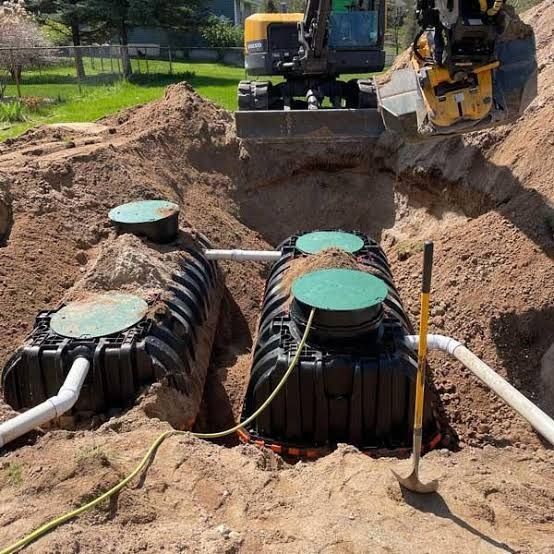
What Proper Excavation Requires
Septic system excavation starts with site evaluation to identify the best location for your tank and drain field based on soil conditions, distance from structures, and natural drainage patterns. Trenches are dug to specifications that match your system design, with depths and widths that accommodate tank dimensions and distribution lines while leaving room for gravel bedding and protective backfill layers. Coordination with septic installers ensures excavation timing aligns with delivery schedules and inspection requirements.
Once excavation is complete, you'll see level tank placement that prevents shifting or tilting, trenches with consistent slope that move effluent without mechanical assistance, and clean edges that make installation straightforward. Careful backfilling protects tanks and underground piping from soil pressure and surface loads, extending the operational life of your entire system. Properties with properly excavated septic systems experience fewer service calls and longer intervals between pump-outs because waste moves through the system as designed.
Clean excavation minimizes unnecessary disturbance to surrounding areas, leaving you with functional access to excavation sites without excessive ground disruption. Precision digging reduces the amount of soil that needs redistribution and limits damage to existing landscaping or infrastructure near the work zone. Projects that involve utility trenches for water or electrical lines benefit from the same attention to depth accuracy and trench stability that septic systems require.
Questions About Excavation for Septic Systems
Property owners in Odessa often ask about excavation requirements before septic installation begins and how site conditions affect the work.
What determines the depth and layout of septic excavation?
Excavation depth depends on your system design, tank size, and the elevation difference needed to achieve gravity flow from your home to the drain field, with deeper trenches required when natural slopes don't favor drainage.
How does soil type in West Texas affect septic excavation?
Caliche layers common in the Permian Basin require specialized equipment to break through and may influence drain field placement, as dense caliche restricts effluent absorption and sometimes requires alternative distribution methods.
When should excavation happen relative to septic installation?
Excavation should be completed just before tank delivery and installation to prevent trench walls from collapsing or filling with debris, typically within a few days of the scheduled installation date.
What preparation occurs before excavation begins?
Site staking identifies tank and trench locations, utility lines are marked to prevent accidental damage, and access routes are cleared for equipment movement without disturbing areas outside the work zone.
How is backfill managed around septic components?
Backfilling uses native soil placed in layers and compacted around tanks and pipes to prevent voids that cause settling, with care taken to avoid direct equipment contact with vulnerable piping or tank surfaces.
XD Land Management coordinates excavation timing with septic installers and construction professionals to keep projects on schedule and ensure systems are installed correctly. Request a site evaluation at (432) 880-0348 to confirm excavation requirements based on your property layout and system specifications.