
Controlled Removal That Protects What Stays
Interior & Selective Demolition in Odessa for remodeling projects that remove specific components without affecting structural systems
Selective demolition isolates removal work to non-structural walls, outdated fixtures, damaged ceilings, or flooring that no longer serves current tenant or owner needs. The process differs fundamentally from full building demolition by preserving load-bearing elements, mechanical systems, and exterior envelopes while clearing interior spaces for renovation. XD Land Management provides interior demolition in Odessa for commercial tenant improvements, residential remodels, and building updates where careful removal prevents damage to components that remain in place throughout construction.
The work involves hand demolition and precise cutting rather than heavy equipment, allowing walls to be removed without vibration that cracks adjacent finishes or displaces structural framing. Dust containment barriers separate work zones from occupied areas, and debris is removed continuously to maintain organized conditions that renovation contractors can work within immediately. This approach is necessary when buildings remain partially occupied or when mechanical systems must stay operational during demolition phases.
Request an interior demolition estimate to review your remodeling scope and protection requirements.
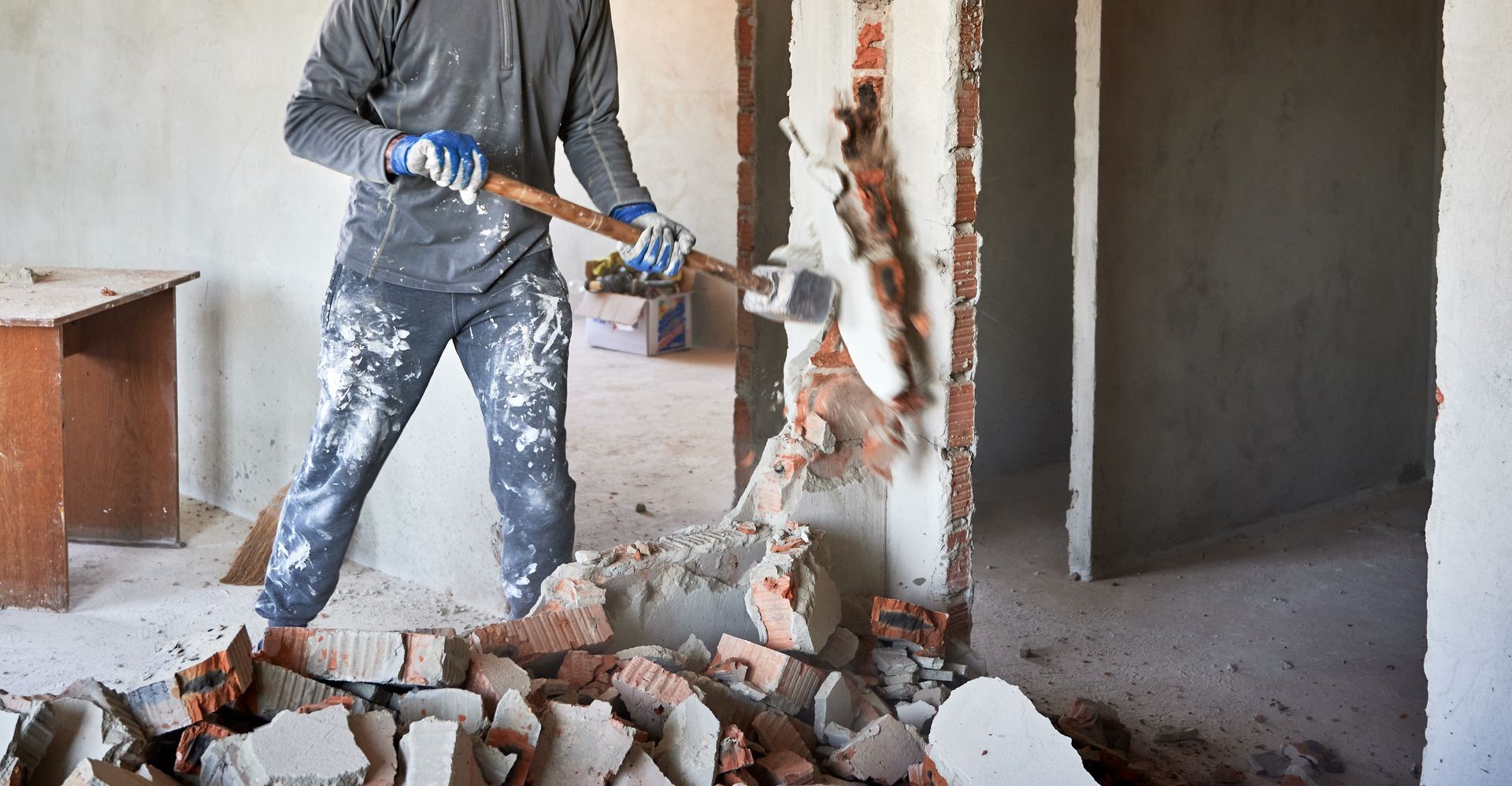
What Changes After Interior Components Are Removed
Interior demolition exposes framing, electrical rough-in, and plumbing lines that were previously concealed behind finishes, giving renovation crews clear access to modify layouts and install updated systems. Non-load-bearing partition walls are cut at ceiling and floor joints to prevent damage to structural decking above, and flooring removal proceeds in sections that allow subfloor inspection before new materials are installed. Protection measures include covering HVAC registers to prevent dust infiltration and sealing doorways with plastic barriers that contain airborne particles within demolition zones.
After selective demolition completes, you see clean framing bays with debris removed and surfaces ready for insulation, electrical, and finish work. Structural elements remain undisturbed, mechanical systems continue operating, and adjacent spaces show no dust accumulation or finish damage. Contractors can begin rough-in work immediately without delays for additional cleanup, and building occupants in unaffected areas experience minimal disruption during the removal process.
Coordination with renovation contractors ensures demolition sequencing aligns with construction schedules, preventing situations where removed components expose areas before follow-on crews are ready to proceed. The scope is defined by drawings or marked layouts that specify exactly what gets removed, eliminating guesswork and preventing accidental damage to elements intended to remain. Fixtures, cabinetry, and salvageable materials can be set aside for reuse or donation when plans include material recovery.
Common Questions About This Service
Property owners planning remodeling projects typically ask about dust control methods, coordination with other trades, and how selective demolition differs from standard tear-out work.
What is removed during selective demolition?
Work includes non-structural partition walls, drop ceilings, damaged drywall, outdated flooring, built-in cabinetry, and plumbing or lighting fixtures that are being replaced, while structural framing, exterior walls, and active mechanical systems remain protected.
How is dust contained during interior demolition?
Containment barriers use plastic sheeting sealed to floors, walls, and ceilings to isolate work zones, and HVAC registers are covered to prevent dust from circulating through ductwork into occupied spaces.
When is selective demolition necessary instead of full building demolition?
Selective demolition is used when buildings remain partially occupied, when exterior walls and structural systems are being preserved, or when tenant improvements require only interior layout changes without affecting overall building integrity.
How are materials disposed of after interior demolition in Odessa?
Debris is loaded into trucks and hauled to approved disposal facilities, with metal fixtures and framing separated for recycling when project conditions allow organized sorting during removal.
What coordination is needed between demolition and renovation contractors?
Schedules are aligned so demolition completes and debris clears before rough-in trades begin work, and marked layouts define removal boundaries to prevent confusion about which components stay and which are removed.
XD Land Management coordinates selective demolition with renovation timelines across West Texas, ensuring interior spaces are cleared and protected for follow-on construction. Arrange a consultation at (432) 880-0348 to discuss your remodeling project and demolition planning needs.