Solutions That Stop Water Where It Shouldn't Go
Drainage Systems & Erosion Control in Odessa for properties with standing water, rutted driveways, or foundation exposure
Standing water that lingers for days after rainfall, driveways cut by channels that deepen each storm, and foundations with exposed footings all signal drainage problems that worsen without intervention. Properties across Odessa face runoff challenges where natural grades direct water toward structures instead of away, creating erosion that undermines driveways, saturates landscaping, and threatens building stability. XD Land Management installs drainage systems and erosion control solutions customized to site conditions, using grading improvements, swales, culverts, and distribution channels that redirect water before it causes long-term damage.
Drainage work involves reshaping grades to establish positive flow away from buildings, cutting swales that collect and convey runoff to designated discharge points, and installing culverts under driveways or access roads where water needs to cross without eroding travel surfaces. Erosion control protects structures, driveways, and landscaping from the accelerating damage that occurs when concentrated flow carves gullies or undercuts paved areas, with solutions tailored to the volume and velocity of water your property handles during peak rainfall events.
Schedule drainage evaluations to identify problem areas and develop solutions before the next storm season begins.
What Changes After Drainage Installation
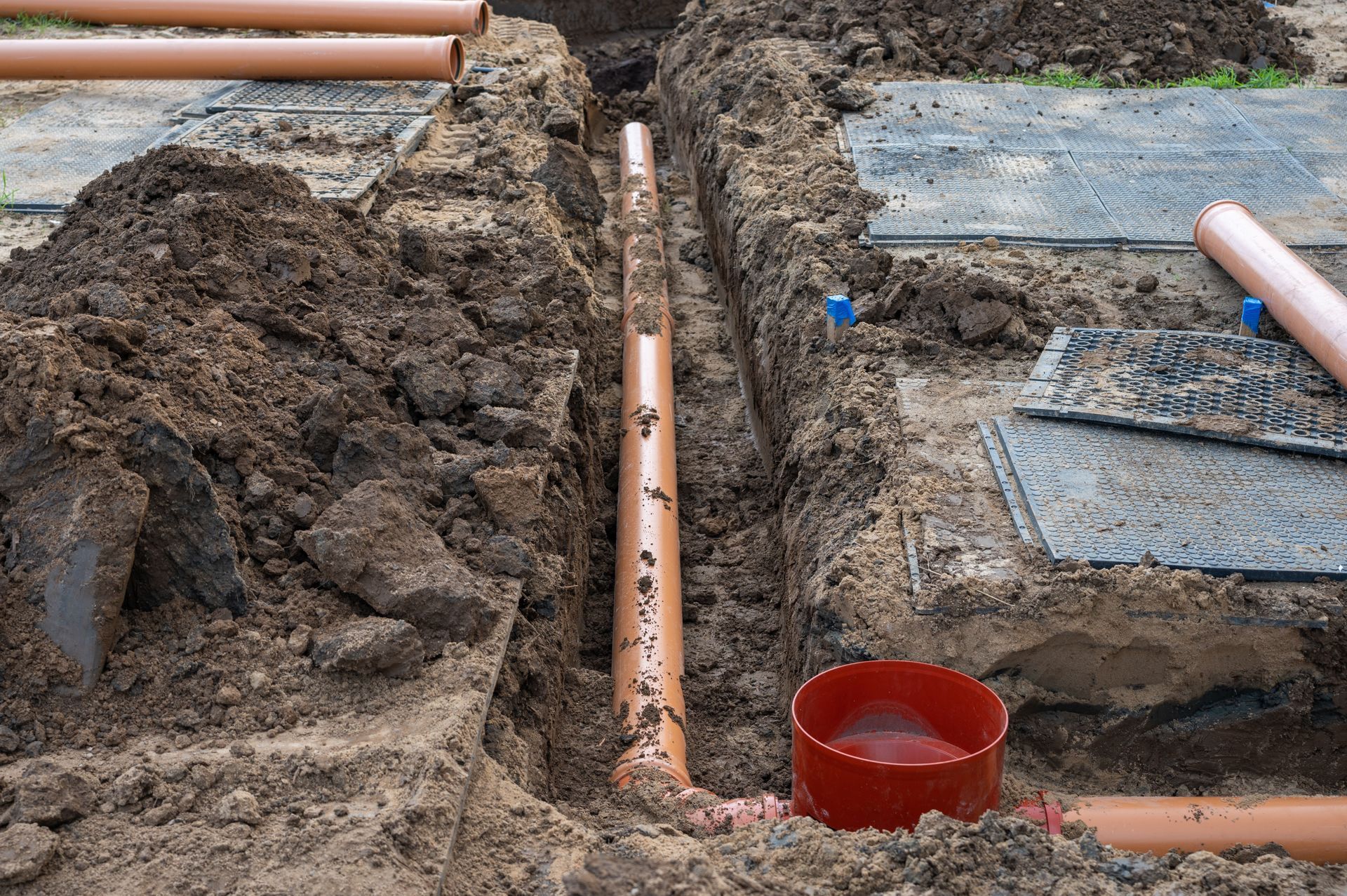
Drainage projects start with site assessment to trace where water accumulates, which directions it flows during different storm intensities, and what obstacles prevent natural drainage from functioning. Grading improvements establish slopes that move water efficiently without creating new erosion points, while swales and berms direct flow along controlled paths that prevent concentration in vulnerable areas. Culvert installation allows water to pass beneath driveways or roads without overtopping or washing out gravel, with sizing based on expected flow volumes rather than average conditions.
Once drainage systems are installed, standing water disappears within hours instead of lingering for days, driveways remain intact through heavy rains without developing ruts or washouts, and foundations stay dry with soil contact maintained around footings. Landscaping benefits from reduced saturation that kills plants, and access roads remain passable immediately after storms instead of becoming impassable mud zones. Improved drainage extends the life of paved surfaces, gravel drives, and any infrastructure affected by repeated water exposure.
Projects address both surface water and subsurface seepage, with French drains or perforated pipe systems used where soil stays saturated below the surface despite adequate surface grading. Erosion control includes riprap placement along channels, retention basins that slow runoff and allow sediment settling, and grade stabilization that prevents gully formation on slopes. Solutions account for the intensity of West Texas storms, where brief downpours deliver high volumes that overwhelm undersized drainage features.
What Property Owners Usually Ask
Questions about drainage work often focus on what causes water problems and how different solutions perform under local rainfall patterns.
What causes standing water if the property appears relatively flat?
Subtle grade depressions trap water in low spots where no outlet exists, and compacted soil from construction or heavy traffic reduces infiltration, leaving water on the surface longer than porous ground would.
How do swales differ from ditches in managing runoff?
Swales are broad, shallow channels with gentle side slopes that slow water and encourage infiltration, while ditches are deeper and steeper, designed to convey water quickly off-site without retention.
When should culverts be installed instead of regrading alone?
Culverts are necessary where water must cross driveways or roads and regrading can't provide adequate clearance, or where natural drainage paths intersect access routes that can't be relocated.
How does erosion control protect driveways in Odessa?
Culverts prevent water from flowing over driveway surfaces and washing away gravel, while grade adjustments route runoff around rather than across travel lanes, reducing the force that carves channels.
What site conditions require more extensive drainage work?
Properties with clay-heavy soils that shed water rather than absorb it, locations at the base of slopes where runoff concentrates, and sites with shallow bedrock that prevents subsurface drainage all require more robust systems.
XD Land Management evaluates drainage challenges across residential, ranch, and commercial properties, providing solutions that improve long-term site performance and prevent recurring water damage. Call (432) 880-0348 to arrange an on-site assessment and review options for managing runoff and erosion specific to your property layout.