Water Features Built to Last Decades
Pond Construction & Earthmoving in Odessa for landowners adding livestock water sources or recreational features
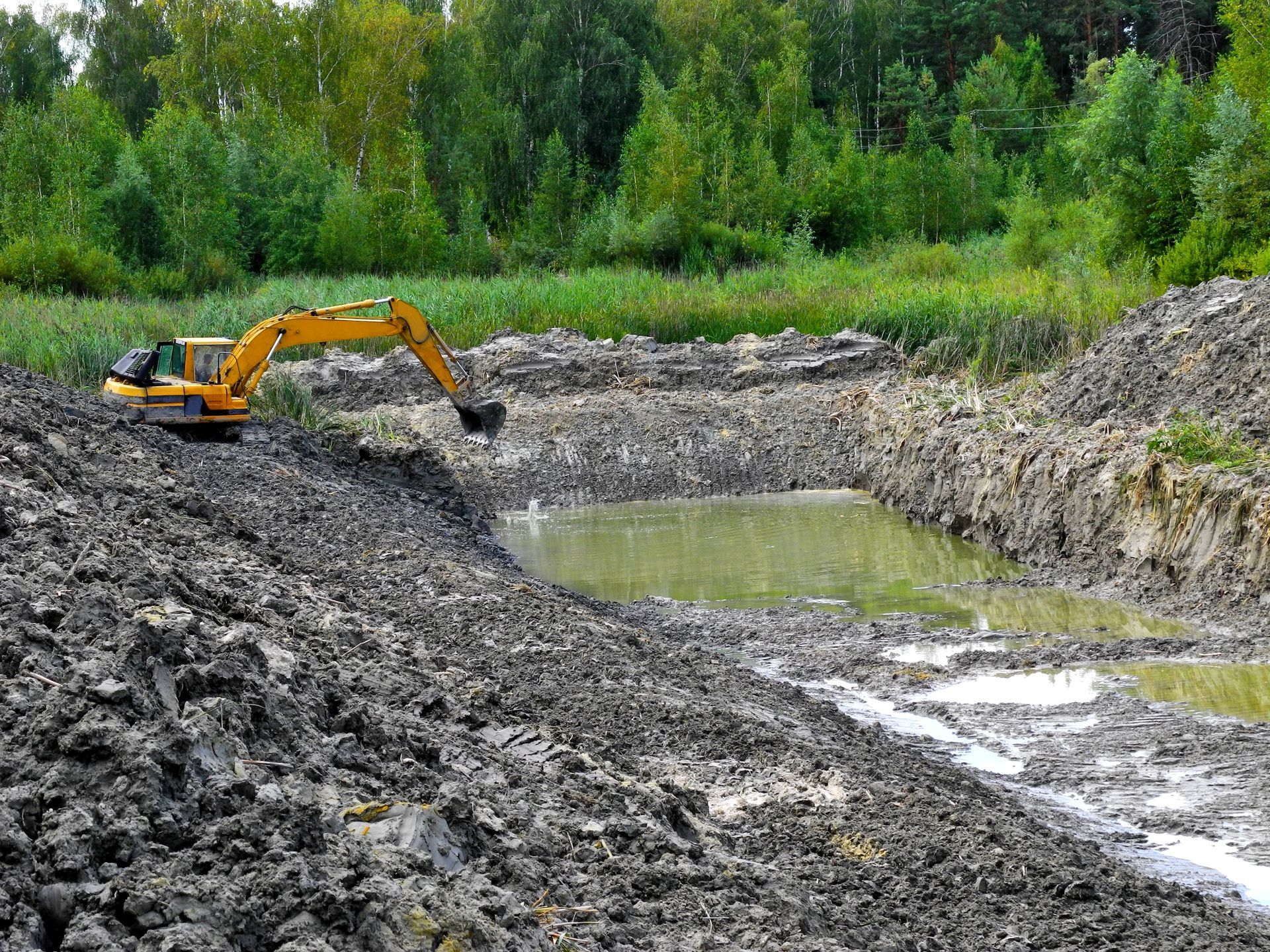
Ponds that hold water year after year depend on proper excavation depth, clay compaction along the basin floor, and spillway design that prevents overflow erosion during heavy rains. XD Land Management provides complete pond excavation from initial planning through final shaping for recreational ponds, livestock water sources, and retention projects across properties in Odessa and the Permian Basin. Ponds fail when excavation skips critical steps like subgrade preparation or when spillways aren't positioned to handle runoff volume, leading to breaches that drain the entire feature within hours.
Pond construction involves removing soil to depths that maintain water levels through seasonal fluctuations, compacting clay layers that seal the basin and prevent seepage into porous substrata, and shaping slopes that resist erosion while allowing safe access for livestock or recreation. Heavy earthmoving equipment handles projects of varying sizes, from small stock tanks to multi-acre retention ponds, with grading that directs surface runoff into the pond without carrying excessive sediment that shortens basin life.
Request a custom pond consultation to evaluate site conditions and discuss design options suited to your intended use.
How Pond Excavation Addresses Water Retention
Excavation begins with depth planning based on your water needs and the seasonal water table in your area, as ponds in West Texas must account for high evaporation rates and extended dry periods between rainfall events. Clay compaction creates an impermeable layer along the basin floor and side slopes, reducing water loss through seepage that would otherwise drain the pond faster than precipitation can refill it. Spillway construction channels overflow away from the dam structure, preventing erosion that weakens embankments and causes catastrophic failures during flood events.
After construction, you'll notice water retention that persists through summer months, defined shorelines that resist slumping, and stable dam structures that don't develop leaks or soft spots under load. Properly graded slopes allow livestock to enter shallow areas for drinking without creating muddy collapse zones, and recreational ponds maintain consistent depths that support fishing or other activities. Long-term performance improves when compaction is thorough and spillways are sized to handle peak runoff rather than average flow.
Projects include shaping of surrounding berms, integration of inlet channels that direct clean water into the basin, and grading that prevents sediment-laden runoff from filling the pond prematurely. Earthmoving capabilities extend to leveling dam tops for vehicle access, creating islands or shallow zones within larger ponds, and recontouring failed ponds where previous construction didn't achieve adequate sealing or structural stability.
Common Questions About This Service
Landowners planning ponds ask about sizing, clay availability, and performance expectations given local climate conditions.
What size pond works best for livestock watering?
Pond size depends on herd size and whether the pond serves as a primary or backup water source, with most livestock ponds ranging from a quarter-acre to two acres in surface area to provide adequate volume during drought periods.
How is clay compaction achieved if native soil lacks sufficient clay content?
Clay material is imported and spread in layers along the basin, then compacted with heavy equipment to create a seal, particularly necessary in areas where sandy or rocky soil dominates.
When should pond construction be scheduled?
Fall or winter construction allows the basin to cure and settle before spring rains test the spillway and sealing, reducing the risk of early failures that require costly repairs.
What depth prevents a pond from drying out in Odessa's climate?
Depths of at least eight to twelve feet in the center help offset evaporation losses during summer, with deeper sections maintaining water longer when rainfall is scarce and temperatures exceed one hundred degrees for weeks.
How does spillway design prevent dam breaches?
Spillways are positioned at elevations below the dam crest and lined with erosion-resistant materials, allowing controlled overflow that doesn't concentrate flow against earthen embankments.
XD Land Management tailors pond projects to site-specific conditions, ensuring water features perform reliably for livestock operations, recreation, or property aesthetics. Reach out at (432) 880-0348 to discuss pond size, placement, and construction details based on your land's topography and soil composition.