Clear Dense Brush Without Damaging Your Land
Forestry Mulching & Mechanical Shredding in Odessa for properties with overgrown vegetation and limited topsoil preservation
XD Land Management provides forestry mulching and mechanical shredding in Odessa, addressing dense brush and invasive vegetation across ranch land, homesites, and development properties. The process removes unwanted growth while leaving mature trees and topsoil intact, which matters when caliche layers sit close to the surface and every inch of soil affects long-term vegetation health. Property owners notice improved access, better visibility across their acreage, and a mulch layer that settles into the ground rather than creating burn piles or hauling debris.
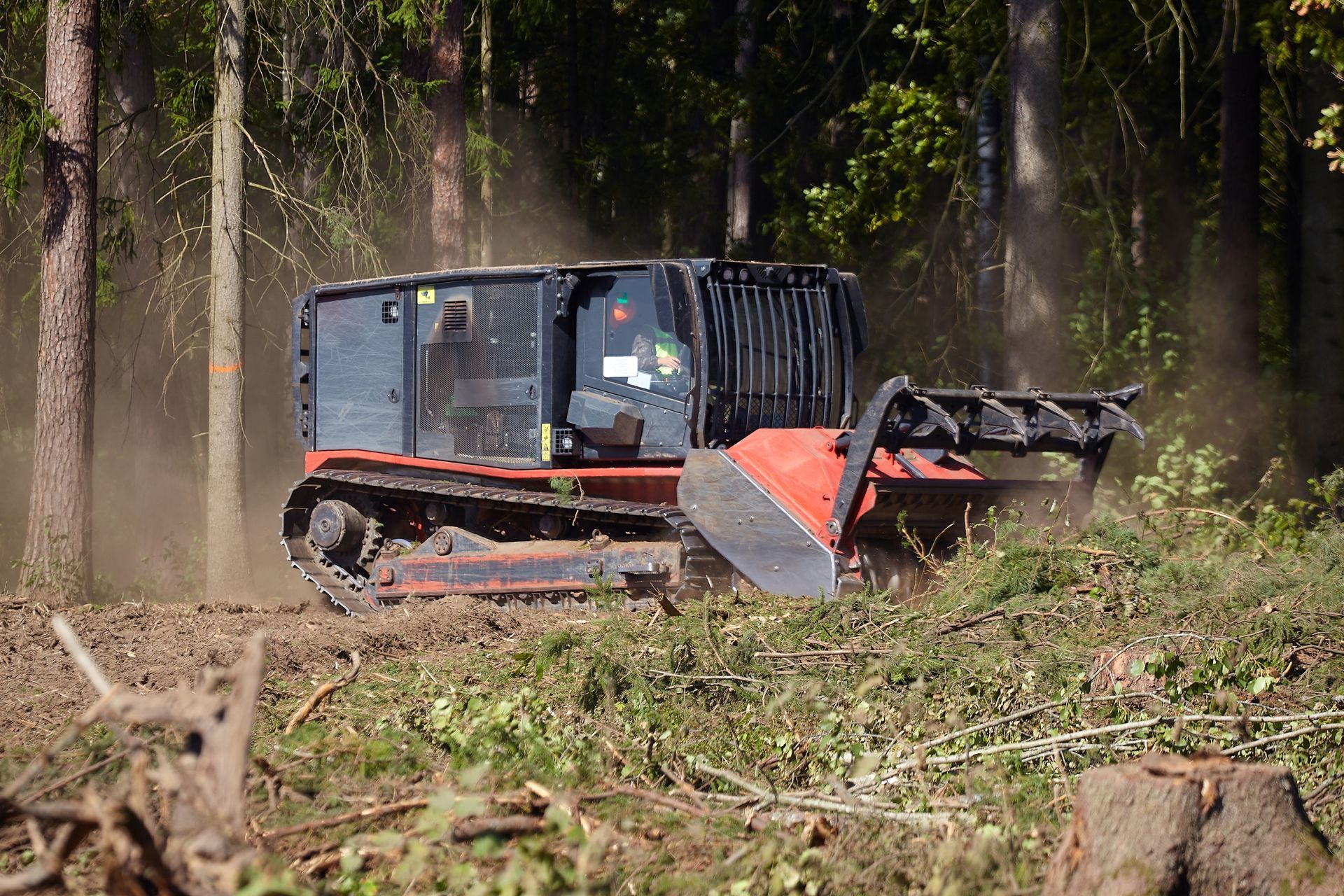
This service uses rotary equipment that grinds brush, small trees, and thick undergrowth into a natural mulch layer that stays on-site. The mulch decomposes over time, adding organic material back into the soil while reducing wind erosion and helping retain moisture during dry months, which becomes critical when rainfall averages under 15 inches annually across the Permian Basin. Selective clearing preserves valuable shade trees and root systems that stabilize soil, making it suitable for ranches preparing grazing areas, landowners developing hunting tracts, or builders clearing trails and access roads.
Schedule an on-site land assessment to identify vegetation density and equipment access requirements for your property.
What Happens After Mulching Work Completes
Once the equipment finishes processing vegetation, the cleared area shows a consistent mulch layer several inches deep, free of standing brush and tangled root masses. The mulch settles naturally over the following weeks, creating a ground cover that reduces dust, limits weed germination, and protects exposed soil from direct sun and wind. You walk across cleared land without navigating thorny undergrowth or tripping over hidden stumps, and vehicle access improves significantly where trails or service roads now pass through previously impassable sections.
The process eliminates the need for burn permits, pile management, and repeated trips hauling debris off-site, which reduces both labor time and disposal costs. XD Land Management operates equipment designed to handle dense mesquite thickets and mixed brush common to West Texas properties, processing growth up to several inches in diameter without disturbing surrounding terrain or creating deep ruts that collect water during occasional heavy rains.
Mulching does not address large established trees requiring chainsaw work or stumps needing extraction, though it clears everything surrounding those features. The method works best when the goal involves opening land for use while maintaining natural ground cover, rather than preparing bare soil for construction or planting. Property layout, vegetation type, and equipment access all affect how the work proceeds and what the final surface looks like.
Answers to Frequent Service Questions
Property owners across the Permian Basin often ask how mulching compares to other clearing methods and what to expect during the work.
What size vegetation can forestry mulching equipment handle?
The rotary shredding heads process brush, vines, and trees typically up to six inches in diameter, grinding them into mulch without requiring manual cutting or stacking.
How does mulching reduce erosion on cleared land?
The mulch layer left on-site acts as a protective ground cover, slowing wind movement across bare soil and absorbing rainfall impact, which helps prevent topsoil loss during dust storms or sudden downpours common in Odessa.
When should I schedule mulching work for my property?
Fall through early spring generally offers better working conditions when vegetation is less actively growing and equipment operates more efficiently in cooler temperatures, though projects proceed year-round depending on urgency.
What happens to the mulch after it settles on the ground?
It decomposes gradually, adding organic matter to the soil while preventing new brush from establishing as quickly, though follow-up clearing may be needed after several years depending on rainfall and seed dispersal.
How do I know if my property needs selective clearing or complete mulching?
Selective work preserves specific trees or landscape features while removing surrounding brush, whereas complete mulching processes all vegetation in a defined area, leaving only the mulch layer and any marked trees.
XD Land Management evaluates vegetation density, access points, and property goals before beginning work, ensuring the approach matches your intended use. Request a customized clearing plan to review equipment requirements and
timeline estimates for your acreage.